

Our drinking water may not be nearly as clean as you thought.
That’s according to a water expert who is suggesting Canada’s water supply isn’t as good as it should be.
Harry Swain from the University of Victoria, and who was involved in the Walkerton inquiry, says there are thousands of water treatment plants that are too small to provide safe drinking water.
Swain says these plant’s are too small to produce the level of safety our society demands as well as too small to be economically efficient at the same time.
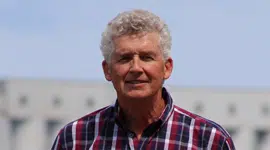
Bruce Davidson from “Concerned Walkerton Citizens” , who were formed out of the Walkerton tragedy,
is not terribly surprised.
He says if you look at small systems across the country there would be many that wouldn’t get a passing grade in terms of what proactive measures they should be undertaking.
He says that has something to do with how budgets municipally, provincially, and federally usually look at providing the minimum service required.
Davidson says even though we’re eight years since the Walkerton tragedy, there are still some communities that haven’t looked at these situations as closely as they need to.
He says you have to remember that prior to the year 2000, the provision of drinking water in small communities was really not fully considered to be a professional activity.
On the Federal side, Davidson says there still needs to be a lot more done specifically with our first nations.
He says there’s a lot of talk right now of bringing First Nations the people they need who are properly trained, and says it’s an ongoing problem that still requires a lot of effort across the country.
On the Provincial side, Davidson says there has been tremendous strides made with the creation of the Walkerton Clean Water Centre, to train water operators, and also with the Source Water Protection work that’s underway.
He says there is no need to push the panic alarm, and notes this just gives us all more reasons to ask our elected officials of just what exactly they are doing to make sure our water is safe.